

Australia Day Flag Sale: Discover the 90cm x 150cm Heavy Duty Large Australian Aussie Flag for Outdoor Patriotism
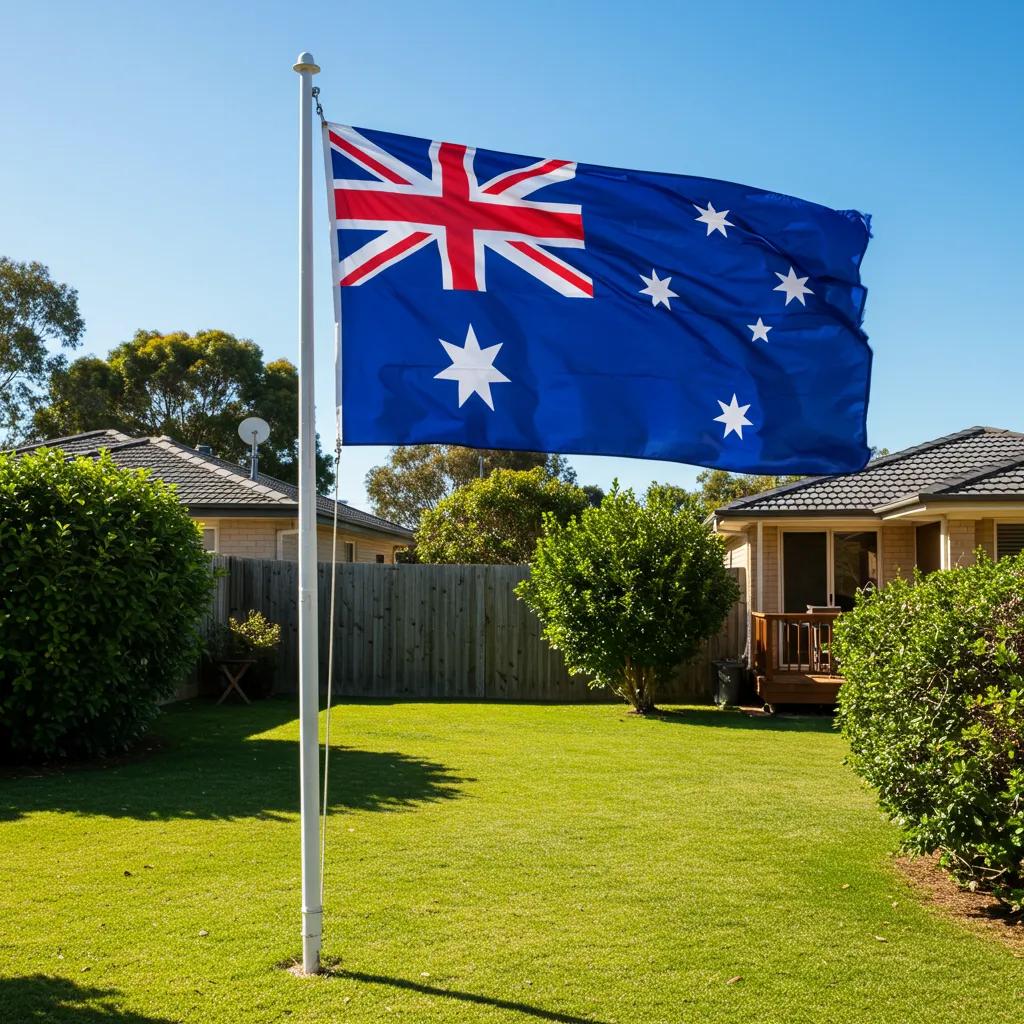
Australia Day is the moment millions of Australians hang out their colours and celebrate community, service and shared history, and nothing signals that pride like a bold, weather-ready Australian flag. This article explains why a 90cm x 150cm heavy duty Australian flag is an ideal choice for outdoor Australia Day displays, covering its construction, weather resistance, display ideas, respectful etiquette and practical care. Many homeowners and event organisers worry about fading, fraying and wind damage when flying flags outdoors; this guide shows how material choices and reinforced construction solve those problems while keeping the Southern Cross and Commonwealth Star vivid. Read on for a technical yet accessible breakdown of materials and stitching, clear weatherproofing explanations, creative installation ideas tailored to the 90cm x 150cm format, step-by-step cleaning and storage advice, and a straightforward buying checklist so you can order in time for Australia Day. By combining durability science with display inspiration, this guide helps you choose, use and preserve a heavy duty outdoor Australian flag that will look proud and perform reliably through the season.
What Makes the 90cm x 150cm Heavy Duty Australian Flag the Best Choice for Australia Day?
The 90cm x 150cm heavy duty Australian flag combines a practical size with construction choices that prioritise outdoor durability, vivid colour retention and easy mounting for residential and community use. This format balances visibility and wind load: large enough to read the design elements at typical front-yard heights, yet compact enough to reduce excessive stress on fittings during gusts. Buyers searching for "heavy duty Australian flag" or "90cm x 150cm australian flag" will find that reinforced materials and quality hardware distinguish long-lived flags from cheaper alternatives. Below is a concise material comparison to help you scan the key attributes that matter for Australia Day flying.
Which Durable Materials Are Used in This Heavy Duty Aussie Flag?
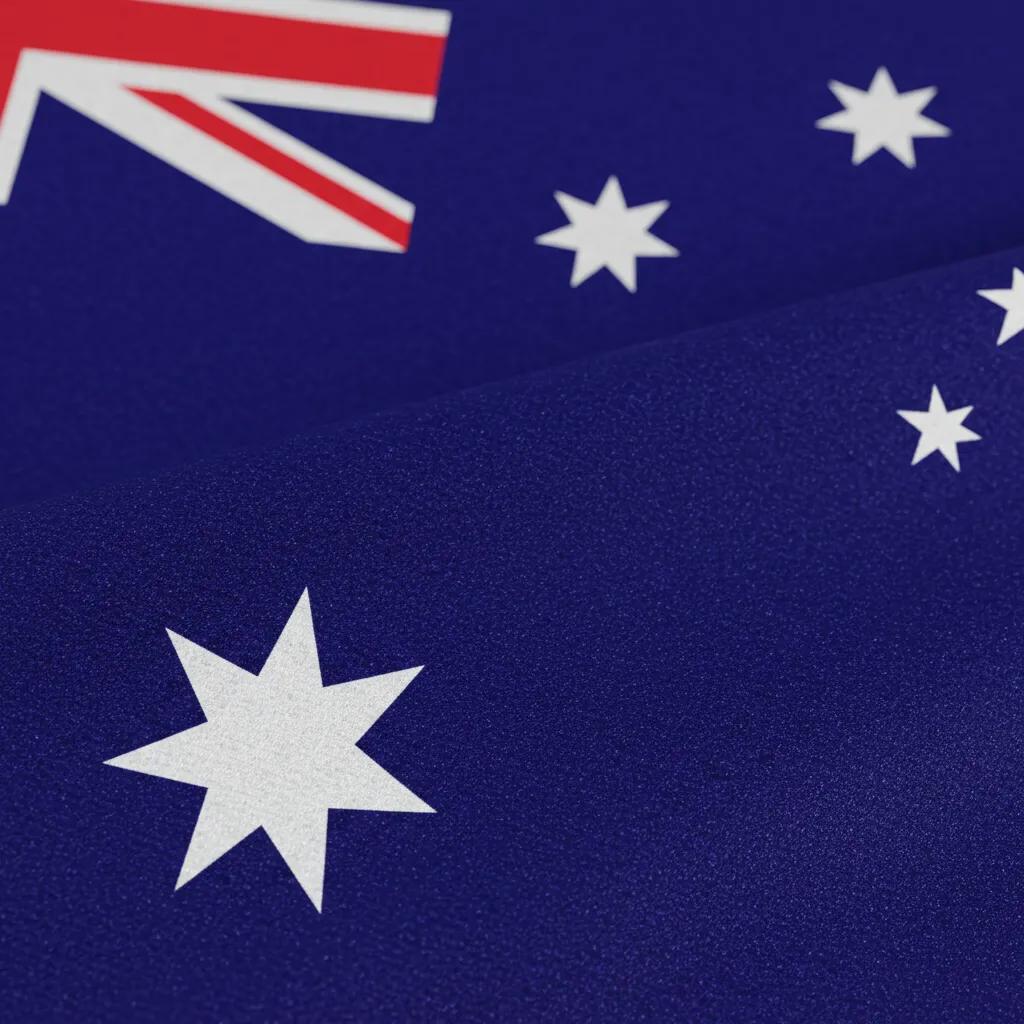
Heavy duty woven polyester is the most common choice for outdoor Australian flags because it offers high tensile strength, rapid drying and good dye uptake for saturated colours. Reinforced header panels—often double-layer fabric—protect the hoist edge where rings or clips attach, reducing fraying at stress points when the flag is exposed to wind. Brass or stainless fittings resist corrosion in coastal environments, and double or triple-stitched hems increase seam integrity under repeated motion. Together these materials and construction details provide a reliable solution for repeated seasonal display and extend service life compared with lightweight, single-stitched alternatives.
Why Is the 90cm x 150cm Size Ideal for Outdoor Display?
The 90cm x 150cm size is a practical middle ground for residential flagpoles, balcony mounts and fence displays, offering a clear visual impact without overwhelming most mounting systems. At common front-yard pole heights or balcony brackets this size allows the Union Jack, Commonwealth Star and Southern Cross to remain proportionate and legible while keeping wind load manageable. For community events and BBQ gatherings the 90x150cm flag is large enough to serve as a focal backdrop yet compact enough for portable poles, reducing the need for specialist rigging. This size therefore matches typical Australia Day use-cases where ease of installation and strong visual presence are both priorities.
How Does Heavy Duty Construction Enhance Flag Longevity?
Heavy duty construction—meaning higher-denier fabric, reinforced header, and double stitching—reduces common failure modes such as edge fraying, seam splitting and fabric thinning from UV exposure. The robust hoist area prevents the flag from tearing away from fittings during gusts, and stronger hems hold their shape after repeated washing and wind stress. Over the life of the flag this construction translates into fewer replacements and a better return on investment compared with thin, economy flags that require seasonal renewal. Understanding these durability factors helps purchasers prioritise flags that are engineered for Australia’s variable outdoor conditions.
Different materials and construction choices create measurable advantages for outdoor use:
- Durable materials and reinforced fittings minimise premature wear and maintain respectful display.
- Size selection balances visual impact with reduced wind stress for most residential setups.
- Heavy duty construction provides a longer usable life, lowering lifecycle costs compared with cheaper flags.
This overview leads naturally to how these materials and features together defend against sun, rain and wind—covered in the next section.
Intro to material comparison table and quick scan:
| Material / Component | Characteristic | Performance for Outdoors |
|---|---|---|
| Heavy-duty woven polyester | High tensile strength, good dye retention | Strong, vibrant colours; resists tearing |
| Reinforced header | Double-layer fabric at hoist | Prevents fraying and ripping at attachment points |
| Double stitching & bound hems | Multiple stitch lines on edges | Reduces seam failure under wind stress |
This table clarifies why specific materials and construction choices matter for a heavy duty 90cm x 150cm Australian flag. The next section explains how these features address weather stresses like UV, wind and rain.
How Does the Heavy Duty Australian Flag Withstand Outdoor Conditions?
A heavy duty Australian flag withstands outdoor stress through targeted material treatments, structural reinforcements and weather-resistant fittings that together slow degradation and maintain appearance. Weatherproof coatings, UV stabilisers and quick-dry fabrics reduce the rate of fading and mildew, while mechanical features such as reinforced headers and corrosion-resistant clips protect against wind and salt air. Understanding these protective strategies helps owners match expectations for seasonal use and maintenance. Below is a practical look at the main weatherproofing features and how each responds to specific outdoor stressors.
What Weatherproof Features Protect the Flag from Sun, Wind, and Rain?
Manufacturers apply UV stabilisers and use weather-tolerant dyes to protect against sun-driven fading, and quick-drain fabric weaves let water evaporate fast to prevent waterlogging. Sealed seams and mildew-resistant finishes reduce the chance of rot after repeated wetting and drying cycles, which is especially important during unpredictable spring or summer storms. Reinforced hoist areas and strong fittings guard against mechanical failure under wind, while corrosion-resistant metals ensure hardware longevity in coastal settings. These combined features reduce visible wear and keep the flag serviceable through the Australia Day season and beyond.
How Does UV Protection Preserve the Flag’s Vibrant Colours?
UV protection works through treated fibres or UV-stable dyes that absorb or reflect harmful ultraviolet radiation, slowing photodegradation of pigments. In practical terms, a UV-protected polyester flag will retain more saturated blues and reds over months of sun exposure compared with untreated fabrics, which show fading and washed-out tones sooner. For seasonal Australia Day use this means less frequent replacement and a more respectful presentation of national symbols. Applying these protective measures increases the effective lifespan and helps the flag remain a vivid part of your celebrations.
What Makes This Flag Wind-Resistant and Suitable for Harsh Australian Weather?
Wind resistance is achieved by combining a size-balanced design with structural reinforcements: a 90cm x 150cm flag generates less torque on brackets than larger sizes, and reinforced headers with double stitching distribute load across a wider area. Quality fittings—such as marine-grade clips or brass grommets—reduce point-stress and prevent sudden failures in gusty conditions common along coasts and open plains. Simple installation choices, like using a swivel clip and ensuring the halyard has some give, also reduce repetitive wear. These design and installation choices collectively make a heavy duty flag more resilient during Australia’s variable weather patterns.
Intro to stressor-protection table:
| Stressor | Protective Feature | Benefit |
|---|---|---|
| Sun/UV | UV-stable dyes / UV treatments | Slower colour fading |
| Wind | Reinforced header / double stitching | Reduces tearing and fraying |
| Rain/Moisture | Quick-dry weave / mildew finish | Prevents rot and mildew growth |
This table summarises how each common outdoor stressor is mitigated by specific flag features and finishes. The next section turns from technical performance to the flag’s cultural role on Australia Day.
Why Is the Australian Flag a Powerful Symbol for Australia Day Celebrations?
The Australian flag is a compact visual narrative: it conveys history, nationhood and collective identity, and flying it on Australia Day expresses those connections publicly and proudly. The three main design elements—the Union Jack, Commonwealth Star, and Southern Cross—each carry layered meanings linked to history, federation and geography. Displaying the flag on Australia Day connects individual households and communities to national traditions, while also providing a focal symbol for civic events, parades and commemorations. Appreciating this symbolism helps explain why Australians choose a durable, outdoor-ready flag for visible, respectful celebration.
What Is the History and Symbolism Behind the Australian Flag?
The Union Jack in the canton points to historical ties with Britain, while the Commonwealth Star beneath it symbolises the federation of states and territories through its points; the Southern Cross constellation reflects Australia’s geographical identity in the southern hemisphere. This combination of elements emerged through a late 19th and early 20th-century design process and has since become shorthand for national identity. Understanding these symbols clarifies why preserving a flag’s colours and condition is considered a sign of respect during Australia Day displays. This historical context underpins etiquette and informs how people choose to fly and care for their flags.
Australia Day, Flags on Cars, and Australian Nationalism
However, the public use of the Australian flag has proliferated in recent years. This aligns with national pride through the 'ownership' of the national symbol and its investment with particular meanings.
Australia Day, flags on cars and Australian nationalism, F Fozdar, 2003
How Does Flying the Flag Express National Pride on Australia Day?
Flying the flag functions as a communal signal that marks civic belonging, gratitude for service, and celebration of shared values during Australia Day events. For many households and neighbourhoods, a visible flag anchors barbecues, parades and community gatherings, creating a sense of continuity across generations. The decision to use a heavy duty outdoor flag often reflects the desire for a durable, dignified display that can be flown repeatedly without rapid deterioration. This connection between symbolism and material care leads naturally into personal motivations for flag display.
Australian Flag Usage and National Pride
However, the public display of the Australian flag has proliferated in recent years, aligning with national pride through the 'ownership' of the national symbol and its imbrication with particular meanings.
Australia Day, flags on cars and Australian nationalism, F Fozdar, 2015
What Personal Stories Inspire Australians to Display Their Flags?
Personal motivations include honouring family military service, celebrating migration stories, marking sporting success or simply joining neighbours in civic celebration; these narratives often drive people to choose flags that withstand repeated use. For example, a family that flies a flag each Australia Day will often prioritise a heavy duty option to avoid frayed edges or fading that would diminish the symbol’s dignity. These everyday stories explain the popularity of a robust 90cm x 150cm flag and why investing in quality materials feels meaningful to many households.
The Australian Flag: An Ambiguous Symbol of National Identity
These roles and Australians' responses to them reveal the flag as a symbol of Australian national identity. The Australian flag has been a subject of debate and controversy since its inception, reflecting the diverse and often conflicting interpretations of Australian identity.
The Australian flag: Ambiguous symbol of nationality in Melbourne and Sydney, 1920–21, 1920
How Can You Creatively Display Your 90cm x 150cm Australian Flag This Australia Day?
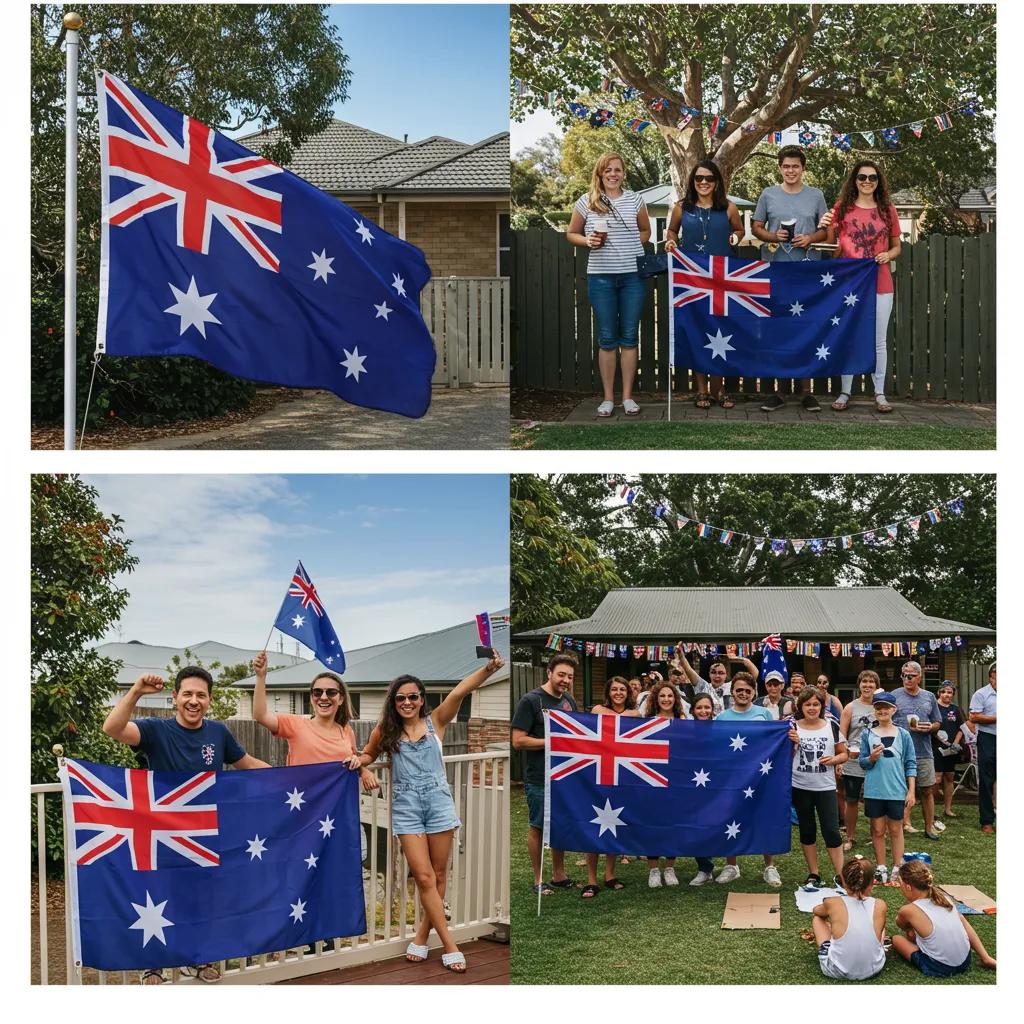
A 90cm x 150cm heavy duty flag is versatile for a range of outdoor display options, from classic flagpoles to creative event backdrops and balcony drapes, making it suitable for both private celebrations and community events. Choosing the right mounting method and placement affects visibility, wind exposure and respectful presentation, so consider height, orientation and nearby structures when planning your display. Below are practical display ideas tailored to this size, followed by installation steps and a short etiquette checklist to ensure respectful, eye-catching presentations.
What Are the Best Outdoor Display Ideas for Your Heavy Duty Aussie Flag?
Here are several practical display ideas that suit the 90cm x 150cm format:
- Flagpole Mount: Use a residential pole with a halyard or swivel clip for a classic look and full mobility.
- Balcony or Railing Drape: Secure with brackets or ties to create a prominent visual at eye level for pedestrians.
- Fence or Gate Mount: Attach with heavy-duty zip-ties or clips for civic visibility during barbecues or street celebrations.
- Event Backdrop: Hang between posts or from a gazebo frame to create a patriotic background for photos and speeches.
Each option balances visual impact with wind management; the flag’s size makes it adaptable while limiting excessive strain on fittings. Selecting the right mount and hardware is the next critical step.
How Do You Install and Secure the Flag for Maximum Impact?
Installation begins with selecting compatible fittings—brackets for poles, heavy-duty clips for railings, and corrosion-resistant hardware for coastal sites—and ensuring the mounting point is structurally sound. When using a pole, attach clips to the reinforced header and check that the halyard runs freely so the flag can fly without snagging; if mounting to a balcony or fence, use spreader points to reduce sail effect. For windy locations, a lower mounting height or a flag with a small vent (if available) will reduce stress; always ensure all fastenings are tight and inspect fittings periodically. These practical steps maximise both safety and visual presence during Australia Day.
What Are the Key Australian Flag Etiquette Rules to Follow?
Respectful handling includes flying the flag at appropriate times, ensuring it is clean and undamaged, and not allowing it to touch the ground; these practices maintain the dignity of the national symbol. When displayed at night, standard etiquette suggests illumination if left up after dark, and flags should be lowered during adverse weather unless designed for continuous heavy-duty outdoor use. When a flag becomes too worn for respectful display, follow recommended respectful disposal methods rather than continuing to fly it. Observing these rules ensures that your Australia Day display communicates pride and respect.
These display and installation ideas make the 90cm x 150cm heavy duty flag a flexible, respectful choice for Australia Day events and home celebrations. Next we cover routine care to maximise longevity.
How Do You Care for Your Heavy Duty Outdoor Australian Flag to Ensure Longevity?
Proper care—cleaning, correct drying and mindful storage—extends a heavy duty flag’s usable life and preserves the bold colours that represent national pride. Regular inspection for loose stitching, fraying or hardware wear allows small repairs before issues worsen, and seasonal storage protects the flag from unnecessary exposure between uses. The guidance below includes cleaning steps, storage recommendations and a simple repair vs replace checklist so you can make informed maintenance decisions and keep your flag in respectful condition for many Australia Day seasons.
What Are the Best Cleaning Practices for Outdoor Australian Flags?
Gently spot clean stains with mild detergent and cool water rather than harsh bleach, and avoid hot-water washing that can accelerate dye loss or damage UV treatments. For more thorough cleaning, hand washing on a gentle cycle or using a low-impact machine setting with flag secured in a breathable bag helps remove grime without overstressing seams. After cleaning, air-dry the flag flat or hang it to drip dry in the shade to prevent direct UV exposure during drying. Regular light cleaning reduces mildew risk and preserves fabric treatments, keeping the flag presentable for repeated Australia Day use.
How Should You Store Your Flag When Not in Use?
Store the flag in a cool, dry place folded or loosely rolled to avoid creases and reduce stress on stitched areas; breathable cotton or cloth bags prevent moisture buildup better than sealed plastic. Before storage, ensure the flag is fully dry to stop mildew, and remove any metal fittings or clips if feasible to prevent corrosion transfer. Label storage containers with dates and a brief condition note so you can track usage and plan eventual replacement. Thoughtful storage preserves the fabric and dyes, ensuring the flag is ready and respectable when Australia Day returns.
When Is It Time to Repair or Replace Your Australian Flag?
Repair is feasible when damage is limited—small seam splits, loose threads or localised fraying can be fixed with reinforcement stitching or patching—whereas widespread fabric thinning, major tears or severely faded colours justify replacement for safety and respect. A practical checklist helps: if structural elements like the header or hems fail, or if more than one major area is compromised, replace the flag rather than repair. Respectful display standards prioritize clear, undamaged symbols, so when in doubt choose replacement to maintain dignity during public flying. Regular inspections and timely repairs extend service life and avoid last-minute replacements.
To help maintain the flag’s life, follow these simple care steps:
- Spot-clean stains promptly and use mild detergent only.
- Rinse thoroughly and air-dry in the shade to protect UV treatments.
- Store dry in a breathable bag and inspect annually for wear.
These practices combine to keep a heavy duty outdoor Australian flag looking and performing at its best for years of Australia Day displays.
Where Can You Buy the Durable 90cm x 150cm Heavy Duty Australian Flag for Australia Day?
If you’re ready to buy a 90cm x 150cm heavy duty Australian flag for Australia Day, plan to order early to secure preferred stock and shipping options before the seasonal rush. Demand for Australia Day flags spikes in the weeks leading up to the holiday, so ordering with a comfortable lead time helps ensure the right fittings and replacement options are available. Below is a short recap of why this heavy duty flag is the best outdoor choice, followed by practical ordering steps and an urgent call to act before Australia Day to avoid disappointment.
Why Buy Your Australia Day Flag Early for the Best Selection?
Seasonal demand concentrates sales into the lead-up to Australia Day, which can create limited availability of specific sizes or reinforced variants; ordering early increases the chance of securing the heavy duty 90cm x 150cm option you prefer. Early purchase also gives you time to select compatible fittings—such as brackets or clips—and to perform a test installation before the event. Allowing buffer time for delivery and inspection reduces last-minute stress and ensures your flag is parade-ready on the day itself. These timing considerations make early ordering a pragmatic choice for households and organisers.
What Makes This Flag the Best Australian Flag for Outdoors?
The heavy duty 90cm x 150cm Australian flag stands out for its durable woven fabric, reinforced header and double stitched hems that together resist UV fading, wind stress and water-related wear. Corrosion-resistant fittings and quality dyes maintain the flag’s appearance through repeated seasonal use, meaning less frequent replacement and a consistently dignified display. The size is proven for residential poles and temporary event rigging, delivering clear visibility while reducing mechanical strain on hardware. These combined features make it an ideal practical and symbolic choice for Australia Day celebrations.
How to Order Your Heavy Duty Aussie Flag Online Today?
When ordering, follow a simple sequence: select the 90cm x 150cm heavy duty Australian flag, confirm that the product lists reinforced header and double-stitched hems, choose fittings compatible with your mounting method, and select a shipping option that guarantees delivery before Australia Day. Inspect the flag promptly on arrival and perform the installation checklist outlined earlier to ensure safe, respectful display. Order now to allow for delivery and inspection so your flag is ready for Australia Day; waiting can risk backorders or limited stock of heavy duty variants.
Ordering steps summary:
- Choose the 90cm x 150cm heavy duty Australian flag with reinforced header.
- Select appropriate fittings (bracket, clips, or pole hardware) for your mount.
- Opt for shipping that arrives with time for inspection and test installation.
- Install, inspect and fly respectfully on Australia Day.
These simple steps get you from selection to display with confidence and ensure your flag is both a durable purchase and a proud symbol for the holiday.
- Select your 90cm x 150cm heavy duty Australian flag and verify reinforced construction.
- Choose compatible hardware for pole, balcony or fence mounting.
- Allow lead time for delivery and testing before Australia Day.
These simple steps get you from selection to display with confidence and ensure your flag is both a durable purchase and a proud symbol for the holiday.
CONTENT INTENT:
Drive seasonal sales and national pride through a promotional, SEO-optimised blog celebrating Australia Day and highlighting the value of a durable, outdoor Australian flag.
TASK:
- Fact-check every claim including dates, events, named entities, statistics, prices, medications, measurements, and other verifiable data
- Search for sources in the same language as the content when possible
- Identify any hallucinations, errors, or factually incorrect, outdated, or exaggerated information
- Consider regional variations and cultural context for the content language
- Preserve all quotes and citation sections exactly as written unless a factual correction is necessary
OUTPUT REQUIREMENTS:
- Return ONLY the complete, corrected Markdown content in the original language
- Make minimal, precise corrections to factually incorrect information only
- Preserve ALL original Markdown structure, formatting, headers, lists, links, and inline HTML tags (e.g., <blockquote>, <p>, <em>, <h4>) exactly as provided
- Keep all correct content unchanged, including language-specific formatting
- Do NOT provide explanations, summaries, or lists of changes made
- Do NOT add bracketed source markers or numerical citation links
- Do NOT replace the Markdown with descriptive text about what was changed
- Maintain the original language and writing style of the content
- Ensure output remains valid Markdown syntax